Microbial life in the deep sea
During my PhD studies at the University of Delaware, I investigated microorganisms from extreme environments and went out to sea twice with Research Vessel Atlantis and the Alvin submersible to study deep-sea hydrothermal vents. As part of the 2008 research expedition, we have an extensive, interactive website designed for anyone interested in learning more about hydrothermal vents, the ship and the submersible, and the scientists on board the expedition.
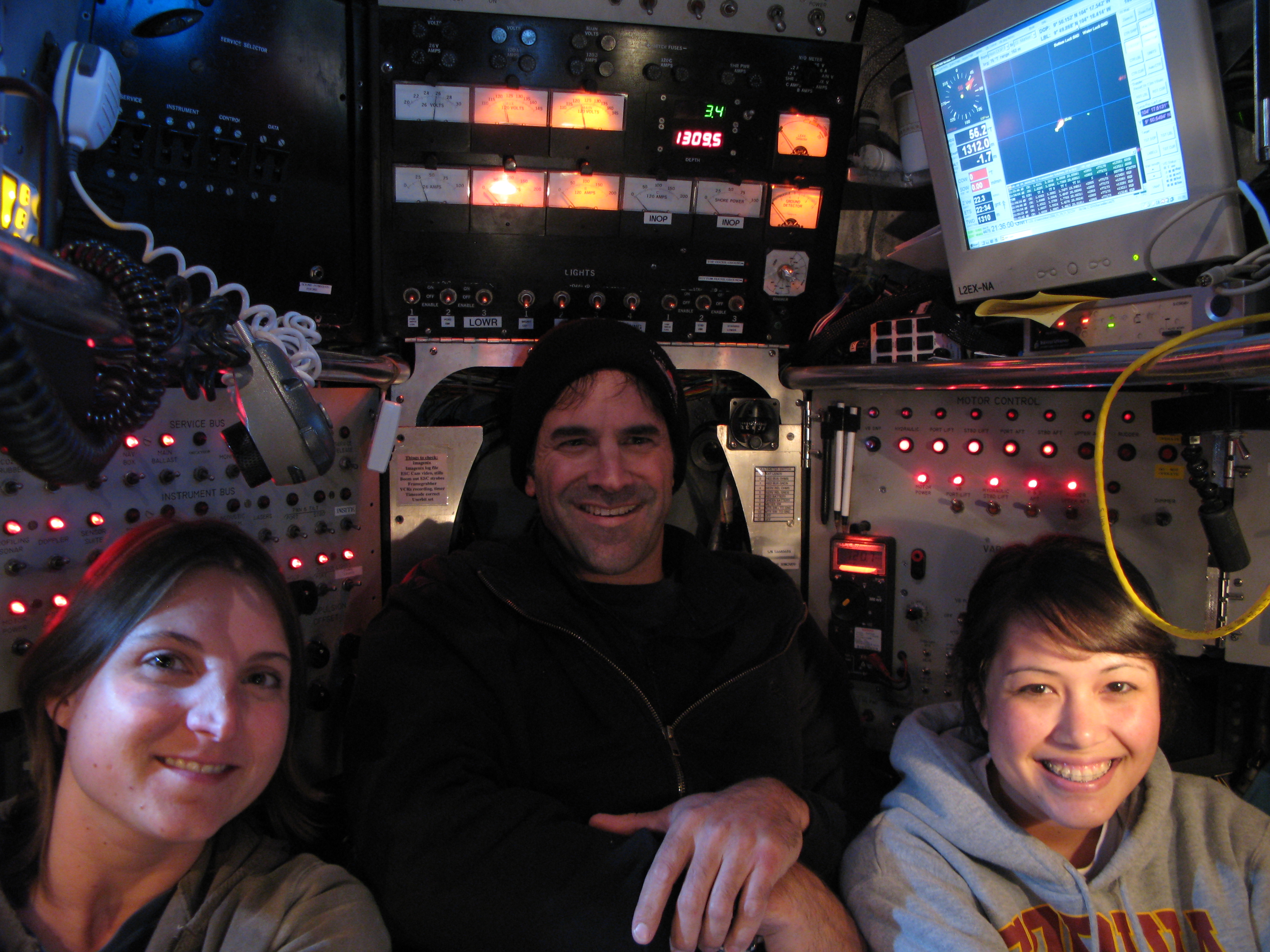
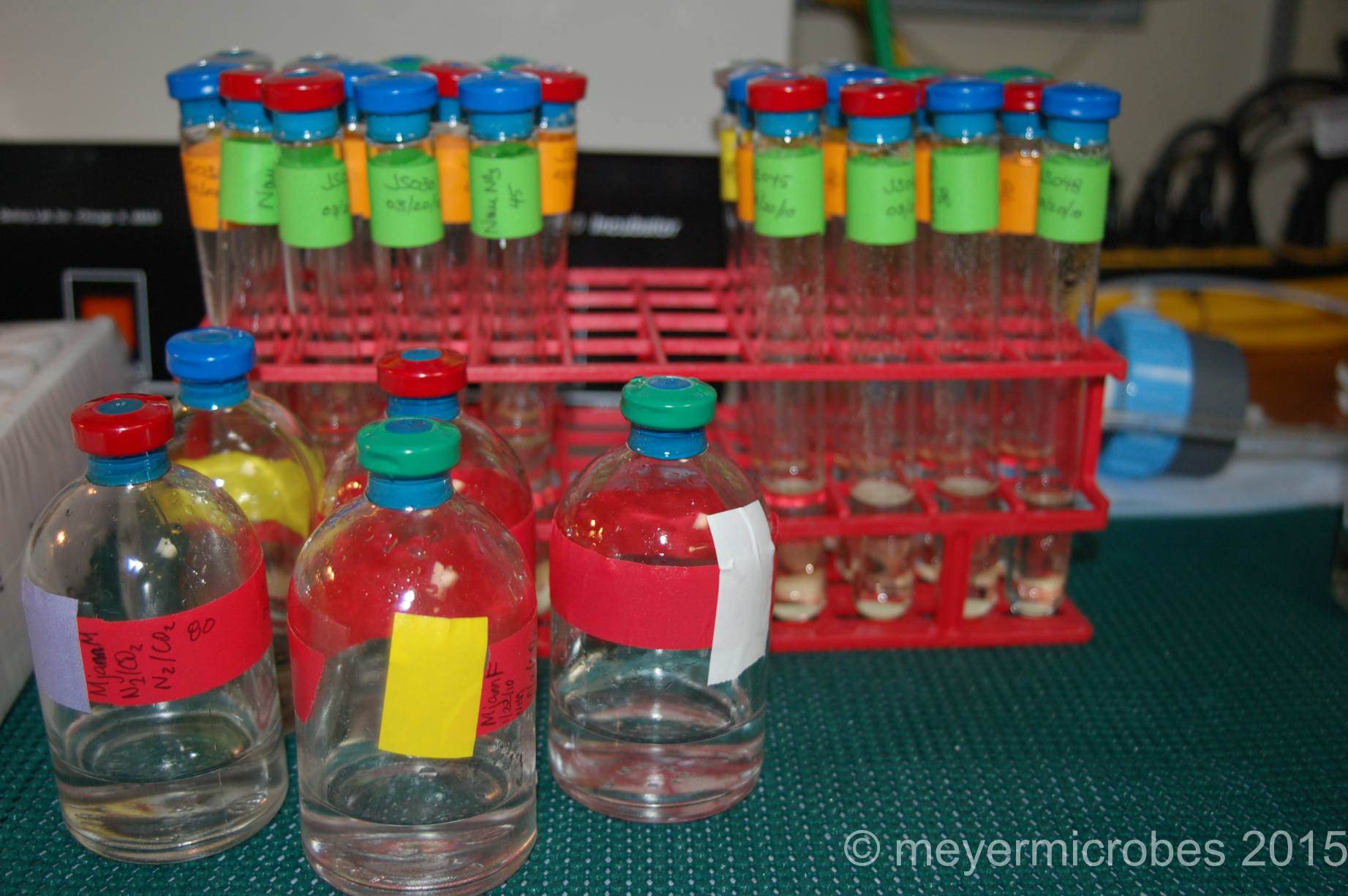
I continued deep-sea research at the Marine Biological Laboratory in Woods Hole, MA and went on three more deep-sea expeditions using the unmanned submersibles Nereus and Jason. This work included an expedition to the NW-Rota Seamount on the Mariana Arc, with colleagues from NOAA. I used hydrothermal fluids venting from the seamount to isolate and grow bacteria to study back on land. I cultured several closely related strains and sequenced their genomes for a population genomics study, through which we can get an idea of how they thrive in dark, anoxic, sulfidic fluids circulating through the seafloor.

And finally, one of the most exciting deep-sea projects that I worked on in Woods Hole was examining microbial life in the fluids circulating in the rocky crust beneath the ocean floor (the ocean under the ocean). Through a very large, interdisciplinary team, samples of rock, sediment, and fluids beneath the Mid-Atlantic Ridge have been retrieved in the last few years for the study of its chemistry and microbiology. I describe some of our preliminary results here and an award-winning film about getting to and sampling the subseafloor aquifer at North Pond is also available.
 MeyerMicrobes